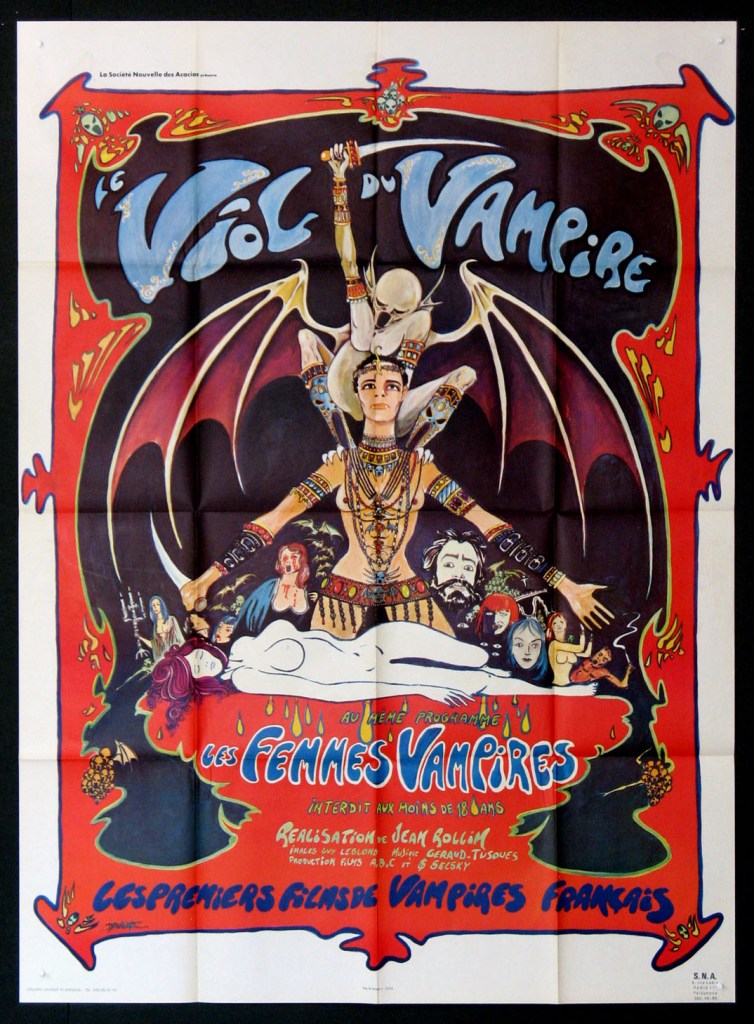
Le Viol Du Vampire (The Rape Of The Vampire)

  • Year: 1968
  • Country: France
  • Director: Jean Rollin
  • Starring: Solange Pradel, Jean-Loup Philippe, Jacqueline Sieger

The idea was originally a 30 minute short film, until Jean Rollin saw the possibility of turning this to feature length (timing was right: distributors weren’t sending movies to the theaters at that time in France 1968 because of the student riots, so Rollin saw the opportunity and by default this became the highest grossing film of the month.) Ok, so, 30 minutes of content to a 95 minute movie. Well, it turns out no one in the crew ever made a movie before and Rollin lost the script 2 days into filming, so part 2 of this is pretty much all improvised and a total mess. Let my review focus on part 1: A group of psychiatrists travel to a small remote village where 4 vampire sisters are rumored to stay. They believe the women aren’t actually vampires and have been brainwashed and victimized to think otherwise. Of course, they’re wrong. I liked this a lot. The mood is there, the black and white cinematography is inventive and striking and it just has a nice, entertaining feel. Please hit stop once it is done and don’t get to Part 2, where you genuinely will have no idea what is going on or why certain characters that died in Pt. 1 are suddenly back to life. I’m not giving up on Rollin yet, though. Dude has some kind of magic charm trick on me somehow. Other Jean Rollin reviews from Cinema Del Peppel: Requiem Pour Un Vampire and Le Frisson Des Vampires.
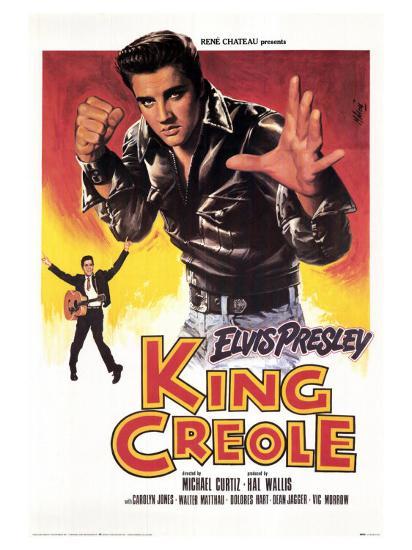
King Creole

  • Year: 1958
  • Country: USA
  • Director: Michael Curtiz
  • Starring: Elvis Presley, Carolyn Jones, Walter Matthau

Elvis gets the Michael Curtiz treatment, and the results are quite frankly disappointing. Elvis’ pa wants Elvis to study, but you see, Elvis has a gift: he can sing. Study he will not. He gets involved with hoodlums and also starts singing at the popular nightclub King Creole. Meanwhile, Walter Matthau is a gangster who owns a competing club and wants Elvis to sing there. Nice setting in New Orleans with inventive set pieces and of course, great musical numbers. But it’s kinda boring and could have used a 30 minute trim – the focus on the crime element of the story is too much and adds unneeded weight to a film that could and should have been much lighter entertainment. What’s cool though is you get to see Walter Matthau smash and break a small table over Elvis’ head. That’s got to count for something. Either way, not a bad film but certainly not Jailhouse Rock, either.

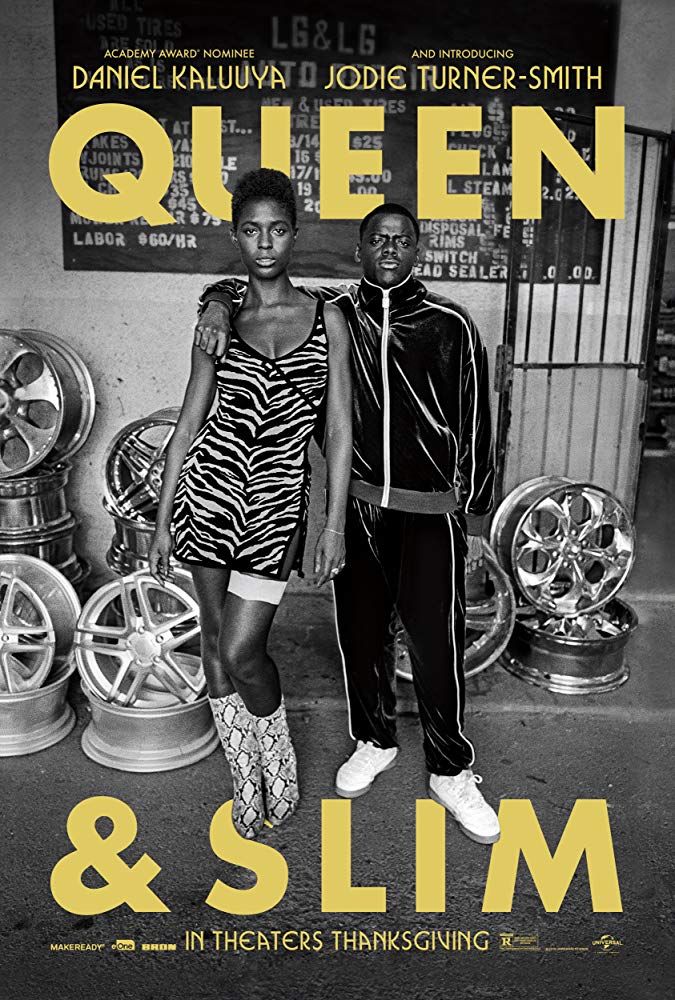
Queen & Slim

  • Year: 2019
  • Country: USA
  • Director: Melina Matsoukas
  • Starring: Daniel Kaluuya, Jodie Turner-Smith

Art can make us face the reality of the world we are living in, and sometimes be a better vehicle than real life: what we see on the news and social media is constant and depressing and shocking, making us blasé in our privilege. And then a film such as this serves as a mirror, and through fiction we can perhaps get a better understanding of what is going on and how revolting certain aspects of our society are. In that sense, it sucks that a movie like Queen & Slim even has to exist. But it does and it’s a damn fine film. The story of a black couple on a first date who, through a turn of events end up running from the law after shooting a white police officer in self-defense. Social media turns them into outlaw heroes after the video of the incident gets posted online while they attempt to head south and flee to Cuba. It’s a great but imperfect film – its truth and its passion carries our two leads through. Nothing here is glamorized or stylized – the charm of the film is between Queen and Slim’s incredible chemistry – and the camera work is gorgeous. Finishing the movie, all I could think of was the hope that maybe some day we will watch this film and it won’t seem like it reflects our reality anymore. Pretty powerful stuff.

Je Tu Il Elle

  • Year: 1974
  • Country: Belgium/France
  • Director: Chantal Akerman
  • Starring: Chantal Akerman, Niels Arestrup, Claire Wauthion

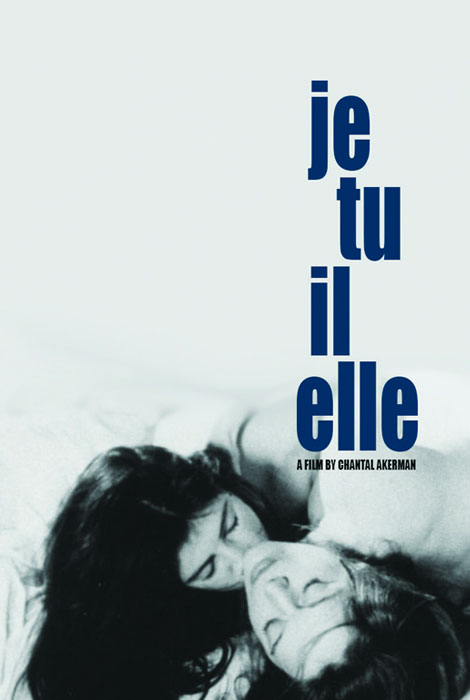
Chantal Akerman’s first proper full length feature, the experimental Je Tu Il Elle is certainly not one for all tastes. With its static shots, almost story-less narration, the film can be a test of patience for some: the first line of dialogue (well, monologue, technically) arrives at 45 minutes, with the first half of the film only consisting of Akerman, playing the lead character, wandering around in her tiny apartment. She writes letters she won’t send, stays on a sugar-only diet and is generally bored and re-arranges her furniture. The film takes a turn when she meets a trucker who gives her a ride. The film explores identity, sexuality, and feminism. What got me the most about it is how cathartic and therapeutic it would appear to have been for Akerman to make such a film: in its abstractions it reveals sorrow and longing – one that begs to be screamed out but instead wanders in one’s mind, limiting them and driving them at the same time.

Gisaengchung (Parasite)

  • Year: 2019
  • Country: South Korea
  • Director: Bong Joon Ho
  • Starring: Kang-ho Song, Hye-jin Jang, So-dam Park, Woo-sik Choi

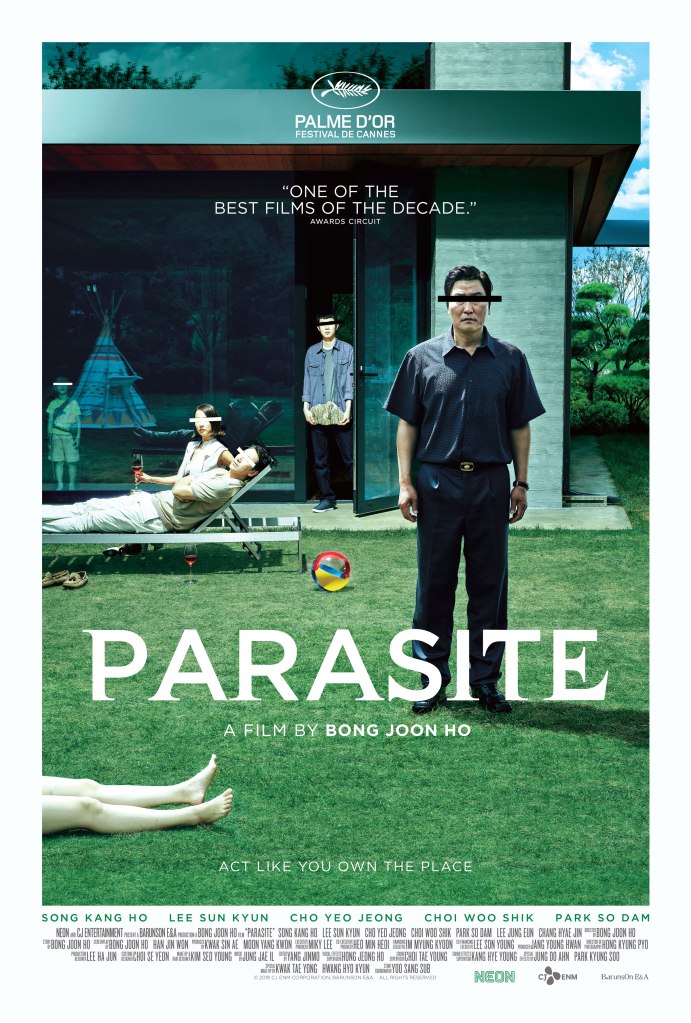
Every so often the Oscars get it right: a movie comes along that is so good and unique; it ends up winning a whole bunch of awards while everyone is scratching their heads wondering why they never heard of it before. For this year’s Academy Awards, Parasite was that film, winning Best Picture, Best Director, Best Original Screenplay, and Best International Feature Film. So, is it as good as everyone says it is? You bet. The story of a poor family that schemes its way into becoming servants for a wealthy one, Parasite has it all: comedy, drama, razor-sharp social commentary and suspense. Writing these reviews I’ve come to realize that it’s best to not say much about the film itself sometimes: you can easily spill too much about the story and spoil the fun. What you need to know is this: you’ve never quite seen anything like it before and it deserves every award it has won. Check it out.

Nekromantik 2

  • Year: 1991
  • Country: Germany
  • Director: Jörg Buttgereit
  • Starring: Monika M., Mark Reeder

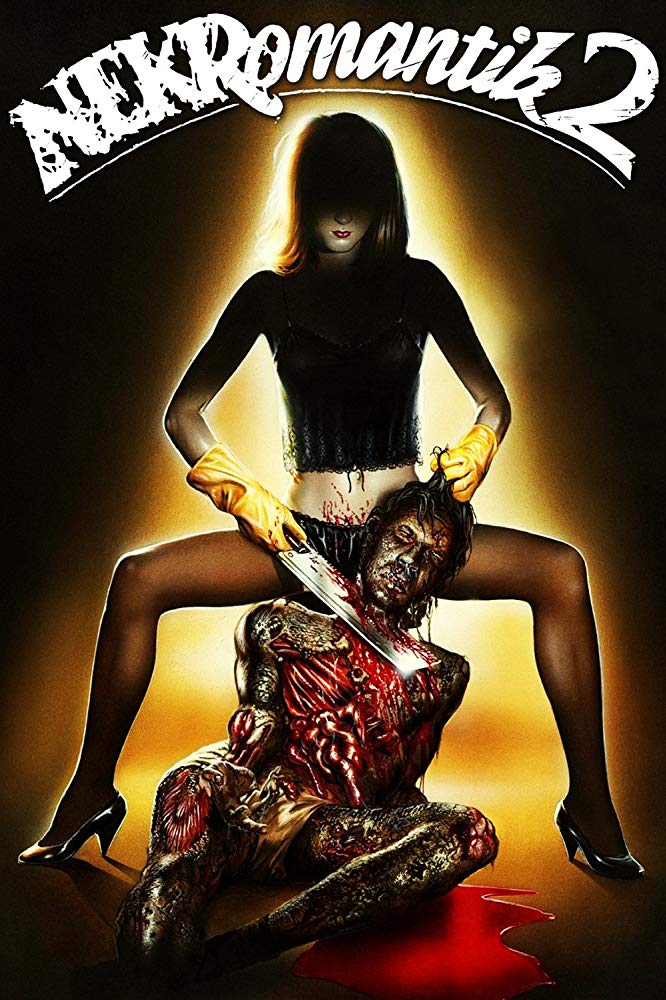
This movie sucks so badly. I don’t even feel like writing about it. More of a bigger-budgeted remake than a sequel, one where all the soul, anger and purpose of the first movie gets bled dry. To give you an example of the utter waste of time this is, well, the first 15 minutes is basically spent showing the main character digging up a grave. Not much happens for the rest of the movie, all this leading to a graphic ending that earned the film cult status (German authorities apparently tried to grab hold of the original print and destroy it). Skip this, it’s really boring and pointless. You can read my review of the first film here.

Ai No Korîda (In The Realm Of The Senses)

  • Year: 1976
  • Country: Japan
  • Director: Nagisa Ôshima
  • Starring: Tatsuya Fuji, Eiko Matsuda

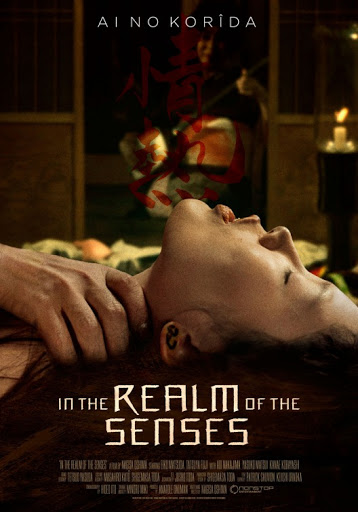
Still banned in its home country of Japan, In The Realm Of The Senses is a story of sexual obsession that can easily let its reputation cloud the viewer. The true story of Sada Abe, a servant in pre-war Japan who began a tempestuous and ultimately devastating affair with her master, the film features (and is well-known for) several sexually explicit scenes. I don’t care too much to discuss those – I mostly wanted to get this out of the way as every review seems to center on this topic. It’s easy to think “Mid-70’s erotic film; probably similar to Last Tango In Paris”, and indeed when looking over the story at a glance, it would appear to be so, however this is a very different film in tone. Where Last Tango had plenty in existential dilemmas, this film has a little bit more fun. It’s often a more down to earth exploration of what goes on behind closed doors (or sometimes in public), with a large part of the movie focusing on the two lovers having fun, enjoying, discovering, experimenting and even laughing in each other’s company. Of course, I don’t want to make this seem like a normal or typical relationship: this all quickly leads to obsession and need; a need to possess the other and a need to control – and also a need to feel a love that can never be close enough, one that can perhaps be only achieved through death. The film is also imperfect, with often baffling scene transitions with mood changes unexplained or unclear. For what it is, and for the reputation that precedes it (the film holds the title of having the most screenings at Cannes), it is a work of art that deserves to be seen not for its controversial nature but for its bravery, uncompromising vision and for its two incredibly courageous leads.

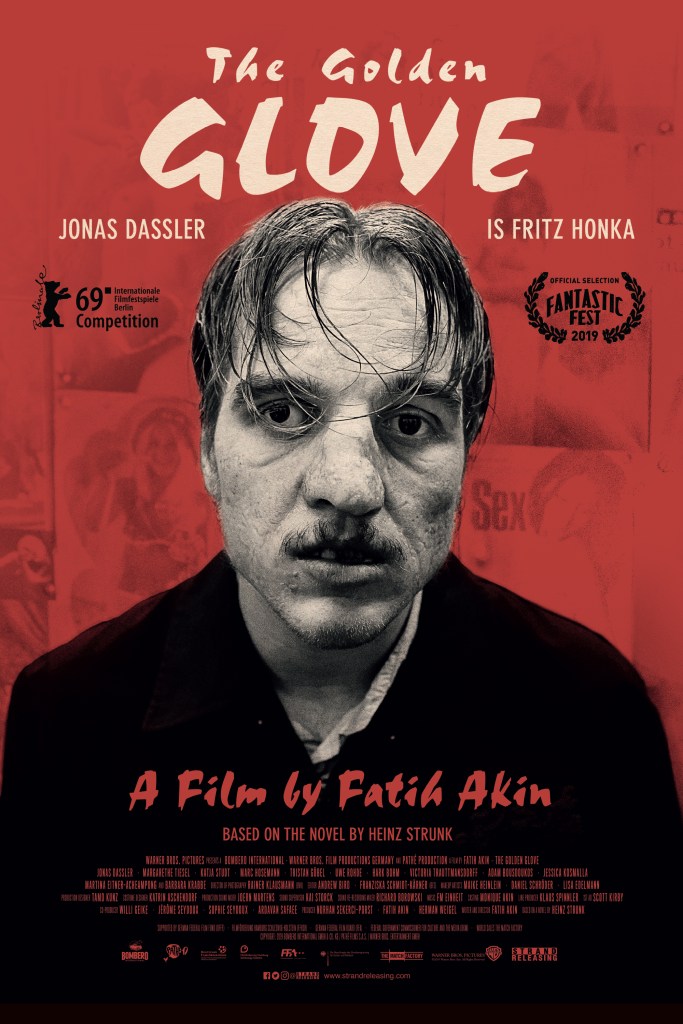
Der Goldene Handschuh (The Golden Glove)

  • Year: 2019
  • Country: Germany
  • Director: Fatih Akin
  • Starring: Jonas Dassler

In my opinion, Fatih Akin is one of the world’s greatest living film directors. Films like The Edge Of Heaven, Soul Kitchen, and especially Head-On are some of the best of the last 15 years or so. I really, really wanted to like this new one, The Golden Glove. The true story Fritz Honka, a serial killer from Hamburg who murdered 4 prostitutes between 1970-1975, the film spares no levels of grimness. Honka was a truly deranged individual who also suffered from extreme alcoholism. The movie mostly takes place in 1974, and The Golden Glove is the name of the bar/shithole where he would find his victims (always older women). Unfortunately, the film often can’t decide what it wants to be: from the dark and extremely violent scenes at Honka’s filthy apartment where the acts were committed and he hid the bodies, to casual conversations between the low-lives at The Golden Glove, it is extremely inconsistent and as a result often makes one lose interest. As Honka, Jonas Dassler is stunning – the 23 year old actor plays the part with complete abandon, and the Makeup Department deserves special mention for making him look so convincingly like the 40 year old murderer. When the film succeeds it is because of Dassler and the most excellent re-creation of Hamburg in 1974 – amazing set designs, costumes and again, makeup. It is technically flawless. Akin just couldn’t seem to decide what movie he wanted to make and that lack of focus where I’m somewhat watching Henry:Portrait Of A Serial Killer but also a drama about its supporting characters is extremely awkward at times. And worst of all, kind of boring too.

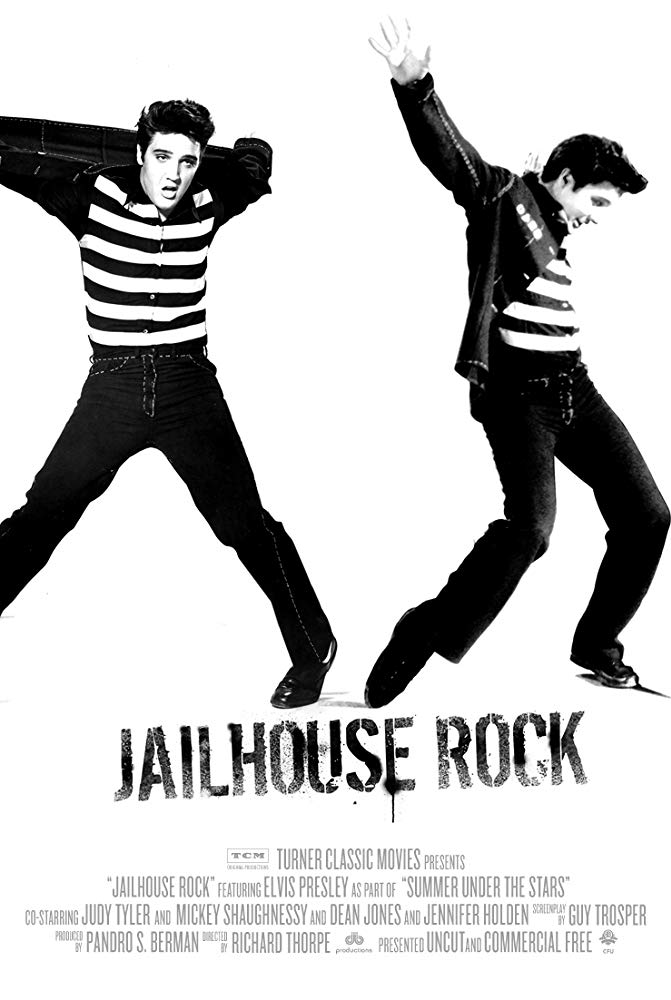
Jailhouse Rock

  • Year: 1957
  • Country: USA
  • Director: Richard Thorpe
  • Starring: Elvis Presley, Judy Tyler, Mickey Shaughnessy

If Love Me Tender introduced the world to Elvis the actor, then Loving You declared that a star was born. In Jailhouse Rock, Elvis’ third feature film, a star becomes a legend. Using a plot that is nearly identical to Loving You (rags to riches – you know the drill), the film knocks it out of the park by having a vastly superior script. Elvis is also clearly more comfortable in his role by now, using his trademark charm and humor to make all of us understand that he is the future of popular entertainment: rock ‘n roll is here to stay. Out with the old, in with the new. When Elvis tries to kiss his girl and she asks how he thinks such cheap tactics would work with with her and Elvis replies “That ain’t tactics, honey. It’s just the beast in me”, it doesn’t even come off as corny. The music, the moves, the rebellious anger – it’s all here. He just owns it. The movie is really funny, too, with some extremely sarcastic and surprisingly dry humor. The first real rock ‘n roll movie ever made? Probably not, but certainly one of the best and most important ones. This is where Elvis becomes The King. Tragically, co-star Judy Tyler died in a car accident just a few days after filming and as a result Elvis refused to watch the completed film.

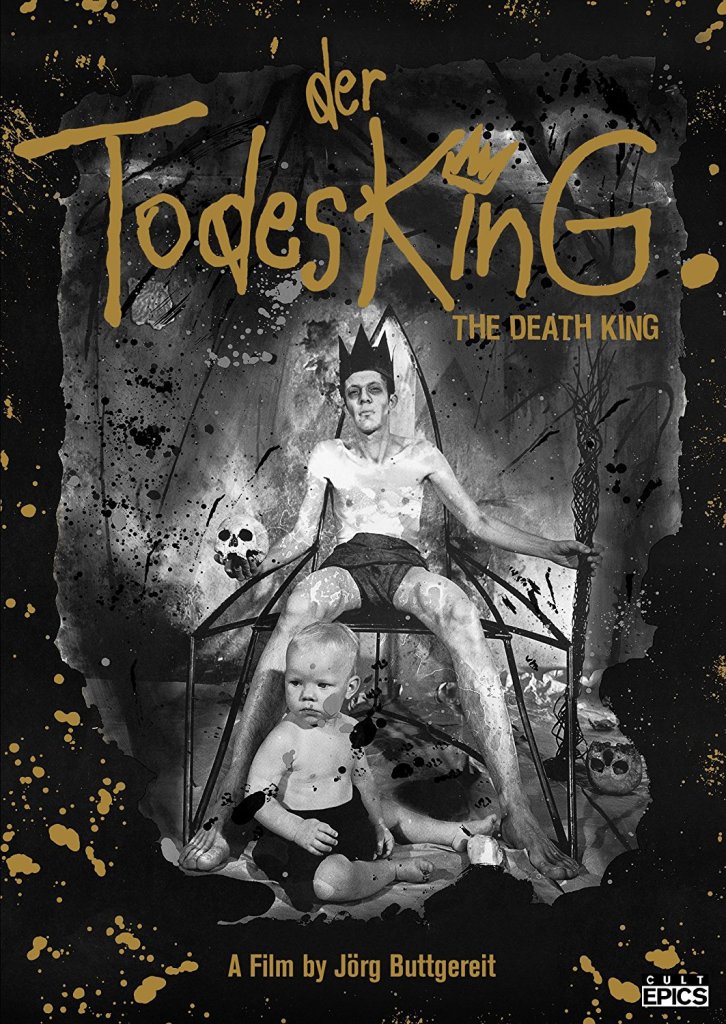
Der Todesking: The Death King

  • Year: 1990
  • Country: Germany
  • Director: Jörg Buttgereit
  • Starring: Hermann Kopp, Heinrich Ebber

An experimental 2nd feature for Buttgereit, this one is a series of vignettes (each named for a day of the week) that centers around the theme of suicide. It’s incredibly bleak, but never glamorizing or exploitative – it seems the purpose here isn’t so much to shock (such as he did with Nekromantic) but to show death in such a way that one walks away appreciating life even more. Look, it’s not easy to watch by any means and it is quite graphic (vignettes are inter-cut with a fast-motion portrait of a body in various stages of decomposition) but I have to give a thumbs up here to Buttgereit for tackling such a heavy subject in such an artistic way: Jean-Luc Godard’s influence can be felt throughout, something the director himself acknowledged. A rewarding experience and one you won’t soon forget. Fun for the whole family, of course.

Design a site like this with WordPress.com
Get started